Introduction
Dysphagia, a term that includes numerous ingesting difficulties, is a problem that dramatically affects clients' lifestyle. This article intends to illuminate the range of dysphagia and its effects for treatment personnel education and learning. With an enhancing variety of individuals diagnosed with dysphagia due to age-related conditions or neurological problems, it's critical for caregivers, registered nurses, and other health care experts to be fluent in this subject. Understanding the Range of Dysphagia: Essentials for Treatment Staff Education will certainly clarify the value of dysphagia training for carers and highlight vital training courses available.
Understanding the Spectrum of Dysphagia: Essentials for Care Personnel Education
Dysphagia can show up in different types, varying from mild difficulties to finish failure to ingest. Understanding the subtleties of dysphagia is vital for care team as it enables them to give customized support and stop significant problems such as goal pneumonia or poor nutrition.
What is Dysphagia?
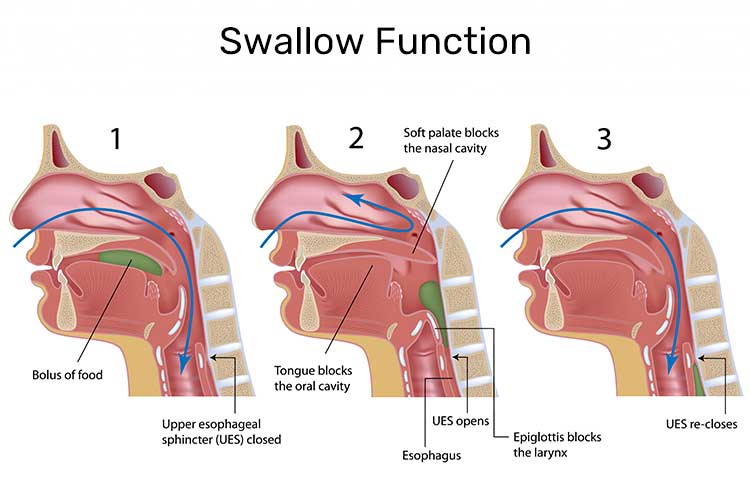
Dysphagia refers to an ingesting condition that can impact any kind of phase of the swallowing process:
- Oral Phase: Problem chewing or adjusting food in the mouth. Pharyngeal Stage: Problem moving food down the throat. Esophageal Stage: Concerns with food taking a trip down the esophagus.
Being accustomed to these phases helps care staff recognize where people might battle and what treatments are necessary.
Types of Dysphagia
Understanding different kinds of dysphagia enables better monitoring strategies.
1. Oropharyngeal Dysphagia
This type happens when there is difficulty in launching swallowing as a result of neurological problems (e.g., stroke or Parkinson's condition) or anatomical irregularities (e.g., growths).
2. Esophageal Dysphagia
Characterized by the experience of food obtaining embeded the throat or breast, this kind often arises from esophageal strictures, tumors, or motility disorders.
Signs and Signs and symptoms of Dysphagia
Care staff ought to be aware of crucial indications that might show dysphagia:
- Coughing throughout meals Choking on food or liquids Gurgling voice Weight loss Avoidance of specific foods
Recognizing these symptoms early can result in prompt intervention.
The Significance of Dysphagia Training for Carers
Training programs concentrating on dysphagia encourage caregivers with knowledge and skills essential for efficient person care.
Why Is Training Essential?
Patient Security: Proper training lowers threats related to ingesting difficulties. Improved Lifestyle: Educated caregivers can improve dish experiences for patients. Confidence Building: Training instills self-confidence in treatment team when handling intricate nutritional needs.Components of Dysphagia Training Programs
1. Composition and Physiology
Understanding the makeup associated with ingesting aids in acknowledging possible problems.
2. Assessment Techniques
Learning exactly how to assess a client's ingesting capacity is critical for establishing proper interventions.
3. Dietary Modifications
Training includes info on texture-modified diets and risk-free feeding techniques.
Dysphagia Care Training Programs Available
There are numerous training courses dedicated to providing extensive education on dysphagia management:
1. On The Internet Dysphagia Training Courses
These training courses supply adaptability in finding out while covering vital topics like assessment strategies, restorative methods, and nutritional considerations.
2. In-Person Workshops
Interactive workshops provide hands-on experience via simulations and role-playing circumstances, boosting discovering retention.
3. Specialized Dysphagia Training for Nurses
Nurses play a pivotal duty in handling people with dysphagia; specialized training outfits them with important skills required in clinical settings.
Curriculum Overview: What Does a Normal Dysphagia Course Cover?
|Module|Summary|| ---------------------------------|--------------------------------------------------|| Anatomy & & Physiology|Fundamental understanding relevant to ingesting|| Signs & & Signs|Identifying dysphagic conditions|| Analysis Techniques|Tools used to evaluate swallowing abilities|| Treatment Methods|Dietary modifications & & feeding strategies|| Emergency situation Administration|Handling intense events associated with dysphagia|
Dysphagia Assistance Resources for Treatment Staff
Having access to sources can greatly boost care staff's ability in taking care of dysphagic clients effectively:

1. Expert Organizations
Organizations such as the American Speech-Language-Hearing Organization (ASHA) supply beneficial products on ideal methods for managing dysphagic patients.

2. Online Forums & Assistance Groups
Engaging with fellow specialists via online discussion forums enables sharing experiences and remedies regarding intricate cases.
3. Educational Literature
Books and write-ups concentrated on dysphagia offer in-depth insights into progressing techniques within this health care niche.
FAQs about Dysphagia
1. What triggers dysphagia?
Dysphagia can result from different elements consisting of neurological conditions, aging, cancer cells treatments, or structural issues within the throat or esophagus.
2. Just how is dysphasia diagnosed?
Healthcare providers usually carry out analyses including professional analyses and imaging researches like videofluoroscopic swallow researches (VFSS).
3. What are common treatments for dyslexia?
Treatment choices array from dietary adjustments (appearance modifications) to recovery therapies aimed at enhancing muscles involved in swallowing.
4. Is there a specific diet regimen suggested for people with dyslexia?
Yes! Texture-modified diet plans are often advised based upon individual evaluations; these can consist of pureed foods or thickened liquids depending upon severity levels.
5. Can dyslexia cause various other health complications?
Absolutely! People with untreated dyslexia face raised threats such as ambition pneumonia as a result of improper swallowing auto mechanics causing food getting in lungs rather than stomachs.
6. Exactly how can I get trained in managing people with dyspraxia?
Numerous training courses are offered ranging from on the internet classes to extensive workshops concentrated especially on giving necessary skills needed for reliable management strategies associating directly back in the direction of dyslexia training goals!
Conclusion
In recap, understanding the range of dysphagia is paramount not only for ensuring client safety and security but likewise enhancing their quality of life through proper nutritional adjustments and encouraging steps taken by conscientious treatment team trained properly via specialized dyslexia training Providing effective dyslexia treatment training equips caretakers with needed understanding while preparing them for real-world obstacles encountered everyday when appreciating people dealing with this condition-- hence leading towards in general enhanced outcomes!
The significance behind appropriate education and learning around dyslexia support can not be overemphasized; it holds enormous participants' feedback on dysphagia training course possibility when exercised vigilantly across numerous settings where people may require help browsing their means through day-to-day meals securely without jeopardizing health and wellness criteria! Emphasizing continuous understanding opportunities like participating in pertinent dyslexia courses will ultimately develop a setting helpful towards accomplishing optimal results while cultivating depend on within those getting such vital services supplied by proficient professionals geared up all right take care of complexities bordering these problems head-on!